
Virtual Staging
Last updated
Virtually Stage Your Listing Photos
An empty room is hard to read. Staging shows what it is for and how big it is. Upload an empty room photo and get a listing-ready render in 30 seconds, not 2 days. No furniture rental. No staging crew.
Stage My ListingOne-time credit packs · Credits never expire
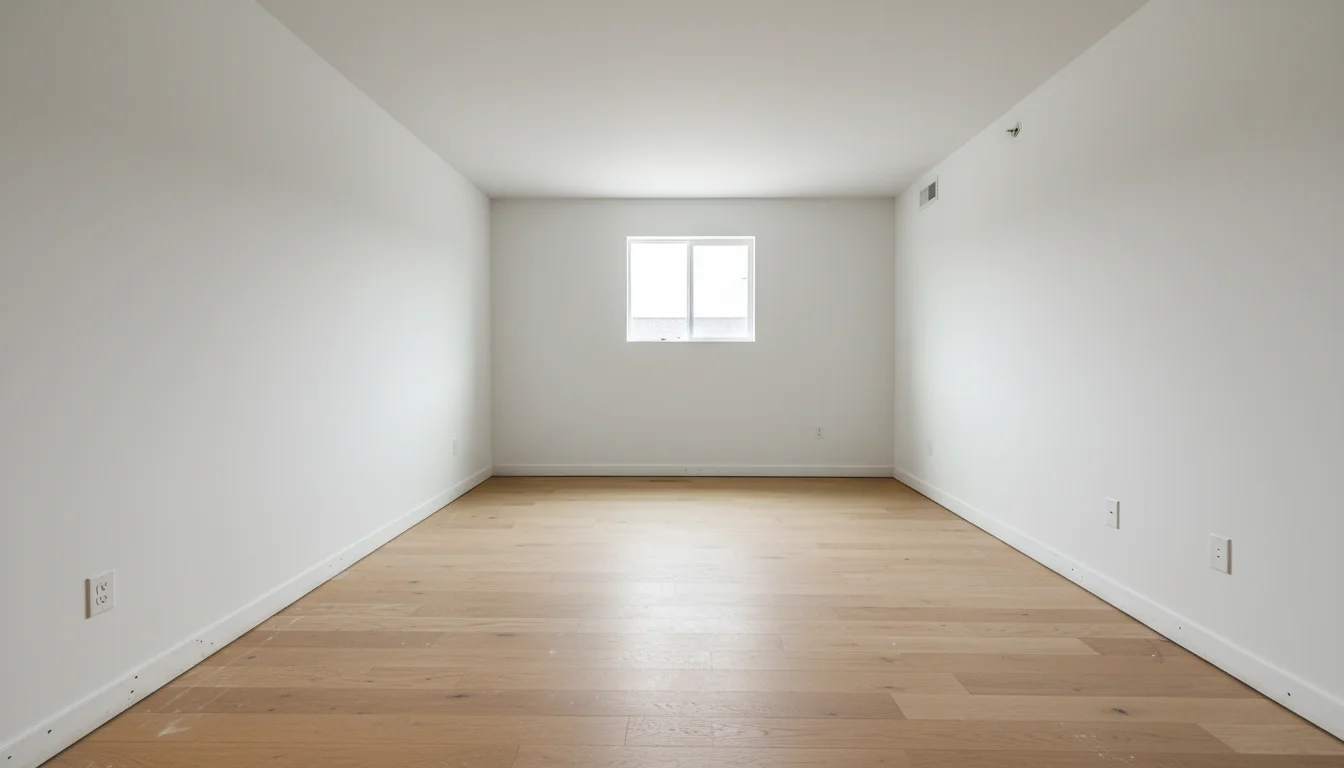 Before
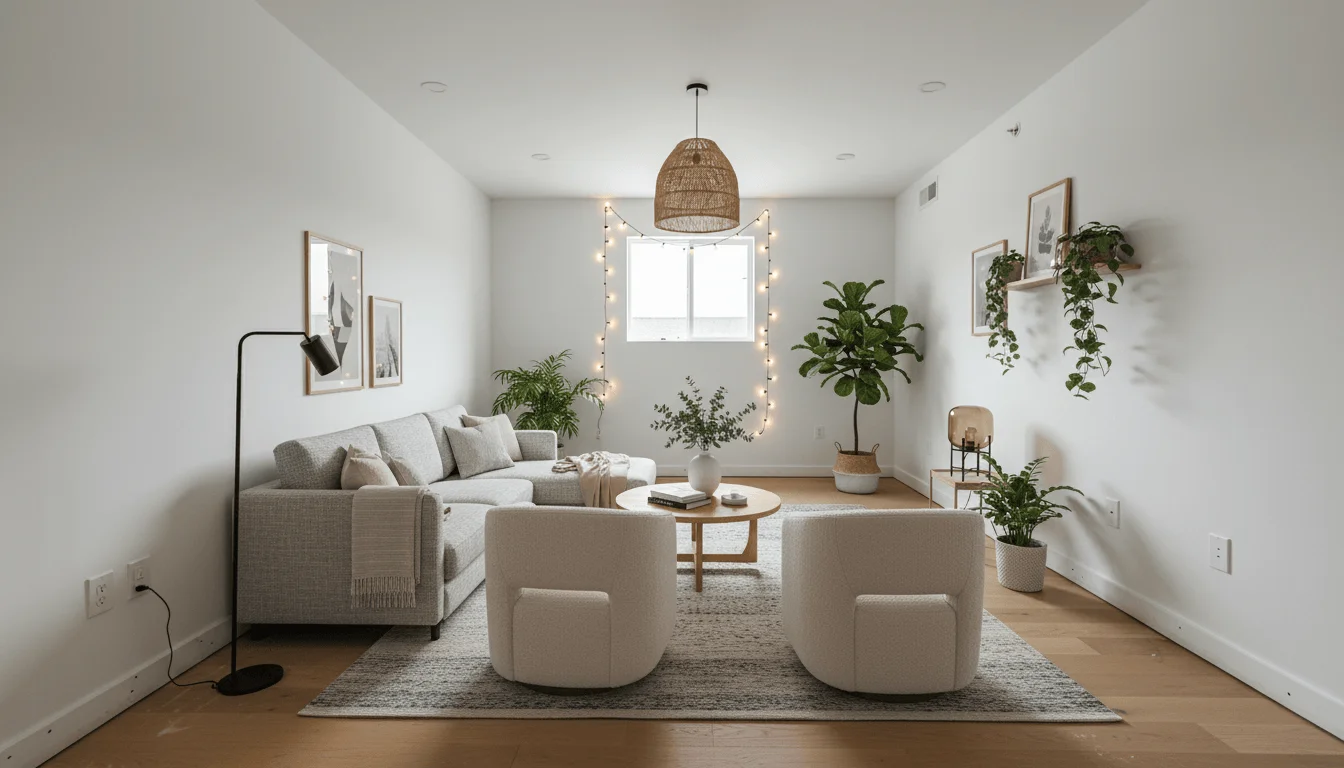 After
AfterAI-staged in 30 seconds
No rental, delivery, or crew
Physical staging runs $1,000 to $5,000 per property because furniture has to be hired, delivered, arranged, and taken away. A staged image costs about $0.12 to $0.45 per design, depending on the pack size.
Results in 30 seconds
Upload a photo and get listing-ready staged images before your next showing.
Listing-ready, instantly
Full-resolution downloads, ready to upload to your listing.
What it is
What is AI virtual staging?
AI virtual staging, also called virtual home staging, uses generative AI to digitally furnish and decorate photos of empty or unfurnished rooms. Unlike traditional virtual staging, which requires a designer to manually composite furniture images in editing software, AI virtual staging works automatically from a single photo in under a minute.
The AI reads the room's geometry, lighting direction, floor material, and wall colors, then places scaled, photorealistic furniture that matches the style you select. The result looks like a professional photography session with a full staging crew, without the logistics, cost, or scheduling delays.
The primary use case is real estate. Empty rooms photograph poorly and are harder for buyers to visualize as livable spaces. Furniture gives a buyer a sense of scale and of what each room is for, which is why staging is standard practice on a vacant listing. Physical staging typically costs $1,000 to $5,000 per property and requires scheduling, delivery, and removal. AI virtual staging delivers the same visual result for about $0.12 to $0.45 per design, depending on the pack size, with results available before your next showing. Agents can see how it fits the full listing workflow in our guide to AI for real estate agents.
Beyond real estate, interior designers use AI virtual staging to visualize empty new-build spaces before furniture delivery, and landlords use it to market unfurnished rentals with styled photos that attract higher-quality tenants. The underlying capability is the same in every case: the AI can add furniture to an empty room from a single photo, whatever you are marketing.
How it works
How virtual staging software works in three steps
No physical furniture, no scheduling, no studio. Real estate agents and sellers go from empty room photo to listing-ready render in under a minute.
Upload an empty room photo
Any smartphone photo works. Clear lighting and a wide angle give the best results.
Choose a style
Select a design style that matches your target buyer. Modern, Scandinavian, Luxury, and more.
Download and publish
Get high-resolution staged images in under a minute, ready for your listing.
Examples
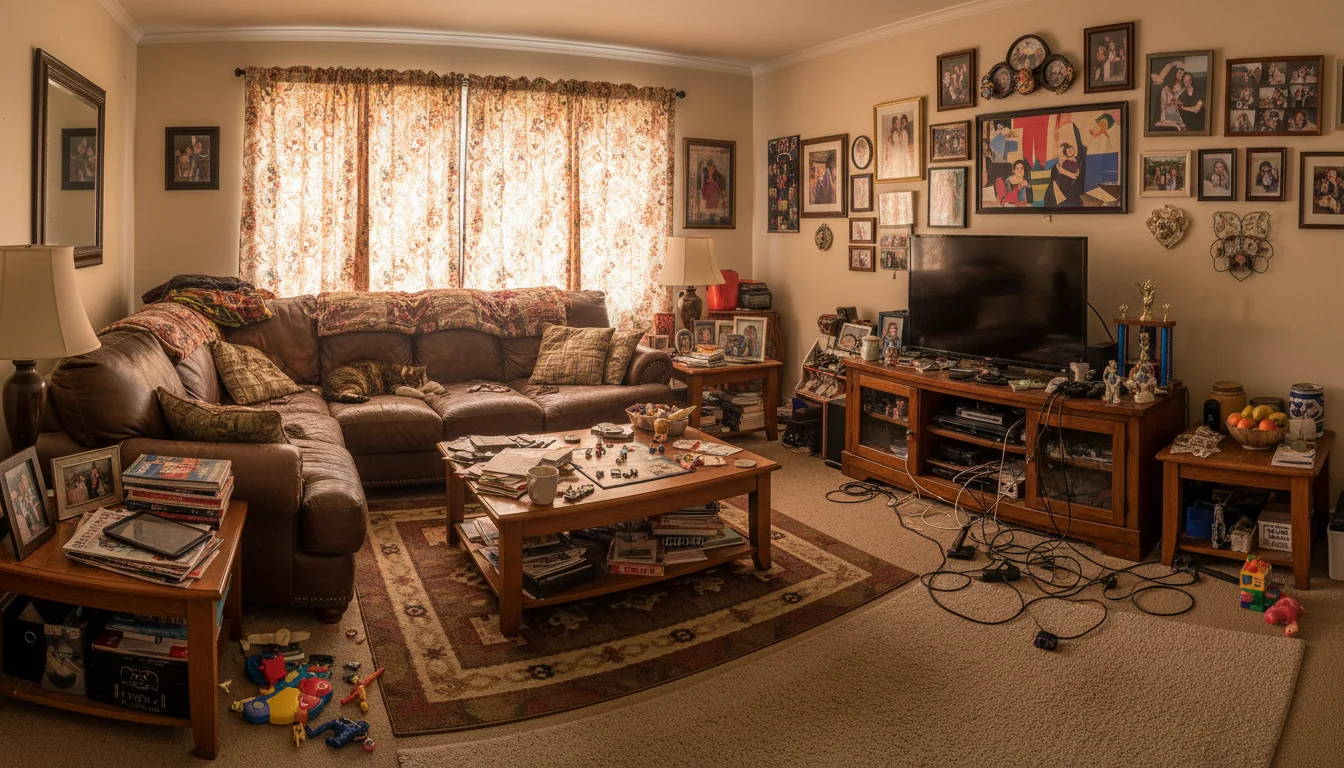
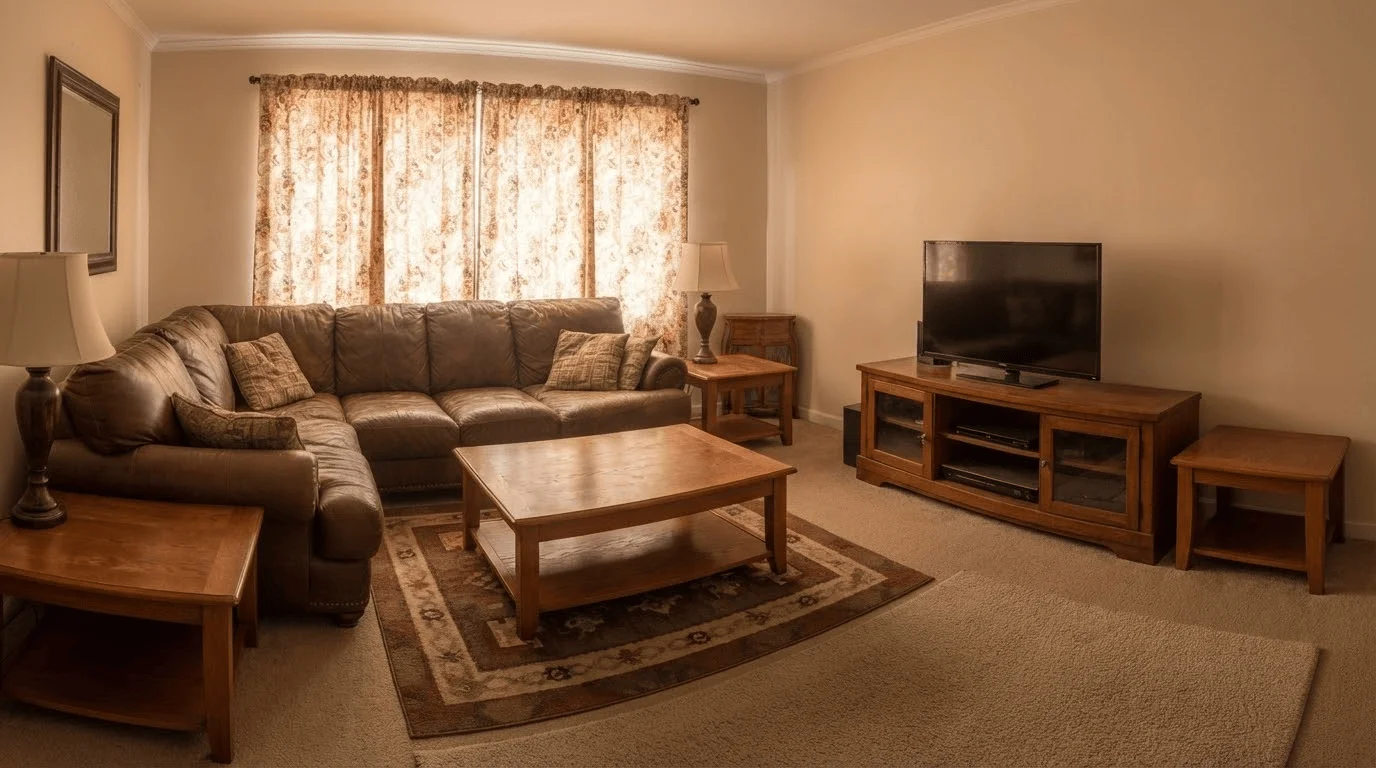
Before and after AI virtual staging
Real results from AI Room Styler. Each image generated in 30 seconds.
BeforeAfterEmpty Living Room Staged
Furnish empty room mode · Contemporary style
 Before
 After
AfterDeclutter Before Staging
Declutter mode · Clean neutral canvas
Cost comparison
Virtual staging cost: AI vs. traditional staging
The same listing-ready photos at a fraction of the cost and effort.
| Feature | AI Virtual Staging | Traditional Staging |
|---|---|---|
| Cost | About $0.12 to $0.45 per design | $500 to $2,000 per room |
| Turnaround time | Under 1 minute | 2 to 5 business days |
| Physical furniture | Not required | Truck, crew, storage |
| Style changes | Unlimited, instant | Costly and slow |
| Output resolution | High-res download | Requires photographer |
| Listing-ready resolution | Yes | Yes |
Want the numbers for your own listing? The virtual staging ROI calculator estimates staging cost per image and the payback against your list price and days on market.
For real estate agents
Virtual staging for realtors
Virtual staging in real estate is now a normal part of listing prep. This is built for the way agents actually list.
Priced for volume
A fraction of the $500 to $2,000 per room a traditional stager charges. Stage a whole listing for less than the cost of physically staging a single room.
Ready before your shoot cools off
Upload photos from the walkthrough and get staged renders in seconds. List the same day instead of waiting days for a staging crew.
Straightforward to disclose
Photorealistic results that still read as staging rather than a claim about the property. Label them virtually staged and follow the disclosure rules your MLS and state set.
Every room, every style
Living rooms, primary bedrooms, dining rooms, home offices, and more. Match the staging to the buyer you are targeting.
Stay compliant
Virtual staging and MLS disclosure
Virtual staging is allowed on the MLS and on the major portals, and it is a standard part of how agents market vacant listings. The rule that matters is disclosure: buyers need to know the furniture in the photo is digital.
In practice that means labeling each staged image as "Virtually staged," noting it in the listing remarks, and keeping the structure of the room honest. You can add furniture, rugs, art, and decor to an empty space. You should not paint over damage, remove permanent fixtures, or otherwise misrepresent the true condition of the home.
Disclosure requirements vary by MLS and by state, so confirm the exact wording your board expects. Used correctly, virtual staging helps buyers picture the space without ever misleading them about what they are walking into.
Legal and ethical
Is virtual staging legal, and is it ethical?
Is virtual staging legal?
Yes. No law prohibits adding digital furniture to a listing photo, which is why virtual staging runs on the MLS and on every major portal. What the law reaches is misrepresentation: state consumer protection and deceptive advertising rules apply to listing photos the same way they apply to any other advertising. A staged image that hides the condition of the property is what creates exposure, not the staging itself.
Some jurisdictions add their own rules for altered listing images on top of that, and those rules differ by state and by listing service and have changed recently. Your MLS and your state licensing body are the authority on what is required and how it must be worded, and this page is background rather than legal advice.
Is virtual staging ethical?
The ethical line is the one the NAR Code of Ethics draws in Article 12: advertising has to present a true picture. Furniture a buyer can see is not there does not misrepresent the property, because it changes how the room reads rather than what the room is. A patched ceiling, a removed water stain, or a view that was never out of that window does.
Labeling the image as virtually staged keeps the first case honest, and no label makes the second one acceptable. The practical test: if you would be comfortable standing in the room while the buyer holds up the photo, the staging is doing what staging is for.
State by state rules, MLS wording, and what disclosure looks like in practice are covered in full on is virtual staging legal?
What staging costs
Three prices that measure three different things
Staging quotes are hard to compare because they are not priced in the same unit. One is per room, one is per photo, and the cheapest number is not automatically the cheapest job.
| Type | Typical price | What it buys |
|---|---|---|
| Physical staging | $500 to $2,000 per room , or $1,000 to $5,000 per property | Real furniture hired, delivered, arranged, and collected again. Priced per room, or per property for a whole-house package. |
| Designer-led virtual staging | $16 to $75 per photo | A person edits each photo for you. Priced per image, with rush turnaround costing more and each revision usually starting a new order. |
| AI Room Styler | About $0.12 to $0.45 per design | One staged image per credit, generated in 30 seconds. Restaging the same photo in another style costs another credit, not another order. |
A whole-house physical package and a single AI image are not the same purchase, so compare them per room you actually need shown. The saving is real, and it is larger on a big empty house than on a one-bedroom flat.
The physical market
Home staging prices, and who usually pays them
Virtual staging is priced against a market most sellers have never had quoted. Here is what home staging costs, who writes the cheque, and where the two approaches actually differ.
What home staging costs
A physical stager usually charges a consultation fee first, then a per-room rate covering furniture rental, delivery, and setup, and rents by the month after that. The market sits around $500 to $2,000 per room, or $1,000 to $5,000 per property for a whole-house package. Occupied homes cost less than vacant ones because most of the furniture is already in place. Home staging prices move with the size of the property, the local market, and how long the listing sits, which is why staging quotes vary far more than photography quotes do.
Who usually pays for home staging
The seller, in most cases. Staging is a cost of marketing the property and comes out of the proceeds like the photography and the listing fee. Some listing agents absorb it into their own marketing budget, particularly on higher-price listings where it is part of winning the instruction, and some stagers will defer payment to closing. None of that is standard practice, so settle who is paying before the shoot is booked rather than after.
The difference between home staging and virtual staging
Home staging puts real furniture in the house, so it works on the showing as well as the photos, and a buyer standing in the room sees what the camera saw. Virtual staging furnishes the photograph instead. That is what makes it cheaper and faster, and it is also why disclosure matters, because the room the buyer walks into is still empty. If the listing sells largely on its photos, virtual staging does most of the work. If buyers will spend time in a large empty property and struggle to read it, physical staging is still buying you something.
To put your own numbers against a staging quote, the virtual staging ROI calculator works from your list price, room count, and days on market. The longer versions of both questions live at what virtual staging costs and virtual staging vs physical staging.
Pricing
Pay for the rooms you stage, nothing more
Credits come in one-time packs starting at $9, and they keep until you use them across any room and any style you like.
One photo, one render
Each staged render uses one credit from your balance. Buy once, credits never expire.
Bundles bring the cost down
Larger credit packs lower the per-render price. Built for agents staging multiple listings.
Credits never expire
Stage a listing this week or next quarter.
Free virtual staging
Is there free virtual staging?
There is, and it is worth knowing what the word buys before you upload a client property.
What you get here without paying
New accounts that sign up with Google receive three free designs to try the tool. After that, credits come in one-time packs starting at $9 for 20 designs. There is no subscription and credits do not expire.
What free usually costs elsewhere
Free tiers in this category commonly return a watermark, a downscaled file, or output licensed for personal use only. None of those are usable in a listing, which is worth checking before you upload a client property. Downloads carry no watermark, including the free designs.
When free is genuinely enough
One listing, one room, or a test to see whether staged photos change how a seller reacts. If you are staging a property a week, the arithmetic stops being about free and starts being about cost per photo.
Software, apps, and photo tools
Which kind of virtual staging tool you actually need
The same search covers three different product shapes. They fail in different places.
Desktop staging software
Model-based tools where you build or import the room and furnish it in 3D. Full control over placement, and a real learning curve. The right choice when you need a floor plan or a walkthrough rather than a photo.
Photo-based AI tools
Upload the listing photo and get the staged version back. No modelling, and the room in the result is the room you photographed. This is what AI Room Styler is, and what most listing work actually needs.
Home staging apps on your phone
Convenient for shooting and uploading on site, and what most people mean when they search for a home staging app. Worth checking the export resolution before you rely on one, because a photo that looks fine on a phone can be too small for a portal listing.
What to check before you pick one
Output resolution, whether commercial use is licensed, whether the room geometry survives, how long a photo takes, and whether the tool says anything about disclosure. Those five answers separate the categories faster than a feature list.
Doing it yourself
Staging it yourself vs hiring a virtual staging company
A service and a tool are not the same purchase. Here is where each one is the better answer.
Turnaround
A staging service quotes in business days because a person is doing the work. A photo tool returns in 30 seconds, which matters most when the shoot ran late and the listing goes live tomorrow.
Revisions
Services bill or ration revisions, so the second opinion has a price and a wait. Generating another direction yourself costs another credit and a minute, which changes how freely you try things.
Judgement
This is where a service genuinely wins. A good stager makes decisions about a specific buyer in a specific market, and nothing about an upload replaces that. If the property is unusual or the stakes are high, pay the person.
Consistency across a portfolio
Doing it yourself keeps the same look across every listing you handle, because you are choosing the style each time rather than briefing it.
Is it for you
When to virtually stage, and when not to
Virtual staging changes how a room reads, not what the property is. That line is where the useful work stops and the disclosure problems start.
A good fit for
Vacant listing photos
An empty room gives a buyer nothing to judge scale against. Furnishing it shows what the space is for.
Awkward or single-purpose rooms
A narrow box or a room with no obvious use reads better once it has been given one.
Listings shot before the furniture arrives
Photograph on the day access opens rather than waiting on a staging crew and a delivery slot.
Refreshing a listing that has gone quiet
Restage in a different style without hiring furniture twice.
Not the right tool for
Hiding a defect
Covering damp, cracks, or damage with a sofa misrepresents the property. Photograph the defect instead.
Changing the property itself
Removing a pylon from a window view, or adding a fireplace that is not there, is a different claim from staging.
Occupied rooms you want tidied
Staging is for empty rooms. Removing a current owner’s belongings from a photo is a decluttering job, and a disclosure question of its own.
Listing without a label
Disclosure is not optional. Every staged image needs marking, and some states want a link to the original too.
The test is whether a buyer standing in the room would feel misled. Furniture they can see is not there passes. A repaired ceiling they were counting on does not.
Not quite the job you have?
- Redesigning a room you live in rather than one you are selling: AI room design from a photo
- Restyling a furnished living room instead of an empty one: AI living room redesign
- Updating a dated kitchen before it goes on the market: AI kitchen design
FAQ
Virtual staging FAQs for real estate agents and sellers
Everything agents and sellers ask about AI virtual staging.
AI virtual staging uses machine learning to furnish photos of empty rooms with realistic, photorealistic furniture and decor. It produces results that look like professional photography without physical furniture, stylists, or staging fees.
Traditional physical staging costs $1,000 to $5,000 per property. AI virtual staging with AI Room Styler costs a fraction of that. Credits come in one-time packs starting at $9 for 20 designs, and they never expire, so it works for a single listing or an entire portfolio.
No. There is nothing to cancel and no monthly minimum: credits are sold as one-time packs instead, so a quiet month costs nothing and credits bought for one listing are still there for the next.
Yes. The outputs are high-resolution and photorealistic. Many agents use AI virtual staging directly in MLS listings, property websites, and marketing materials. Always disclose that images are virtually staged, as required by most MLS guidelines.
Yes. Living rooms, bedrooms, dining rooms, home offices, and open-plan spaces all work well. The AI scales furniture to the room and adapts to the existing lighting in your photo.
You choose the style. Options include Modern, Scandinavian, Contemporary, Transitional, Luxury, and more. Pick the style that matches your target buyer demographic for the best results.
Yes. The NAR Code of Ethics (Article 12, Standard of Practice 12-10) requires that REALTORS® present a true picture in their advertising and prohibits manipulating listing photos in a misleading way, and most MLS rules treat altered listing photos as material to that requirement. A "virtually staged" label in the photo caption or listing description is standard practice, though it is not always sufficient on its own, because some jurisdictions add their own rules for altered listing images. Confirm the exact wording and placement your local MLS and state law expect, since rules vary by state and board and have changed recently.
Source: NAR Code of Ethics, Article 12 (Standard of Practice 12-10)
Yes, provided the image is disclosed and does not misrepresent the property. No law prohibits digital furniture in a listing photo. What applies is ordinary consumer protection and deceptive advertising law, which reaches a photo that hides the condition of the home. Some jurisdictions add their own rules for altered listing images, and they differ by state and by listing service, so confirm what your MLS and state expect. This is background rather than legal advice.
It is, when the staging changes how a room reads rather than what the property is. Adding furniture, rugs, and art to an empty room helps a buyer judge scale and function. Removing damage, hiding a fixture, or changing the view crosses into misrepresentation. Label every staged image as virtually staged and keep the structure of the room honest, and the disclosure answer above covers the code of ethics rule that applies.
Three worth knowing before you buy. The room a buyer walks into is still empty, so staged photos raise an expectation the showing has to survive. Every published image has to be disclosed as virtually staged, which is a step physical staging does not need. And the AI works from what your photo shows, so unusual geometry, mirrors, and heavy shadows can put furniture where it does not sit right, which means looking at each render rather than publishing it unseen. Virtual staging is faster and cheaper than the alternative. It is not the same product.
The seller usually pays, because staging is a cost of marketing the property and comes out of the proceeds. Some listing agents cover it from their own marketing budget on higher-price listings, and some stagers defer payment to closing. It is negotiated listing by listing rather than fixed by custom, so agree it before the photography is booked.
Home staging puts real rented furniture in the house, so it works for showings as well as photos, and it typically costs $500 to $2,000 per room. Virtual staging furnishes the photograph instead, costs a fraction of that, and returns in 30 seconds. The trade-off is that the room a buyer walks into is still empty, which is why staged images have to be disclosed.
The Furnish empty room mode is built for exactly that, and works best with empty or near-empty rooms. If a room has existing furniture you want to remove first, use the Declutter mode to clear it, then stage with new furniture.
Unlimited. You can generate as many style variations as you want from the same photo. This is useful for testing which style resonates best with your target buyer segment before publishing your listing.
A professional staging company charges $500 to $2,000 per room and requires scheduling, delivery, setup, and removal, typically taking days. AI virtual staging with AI Room Styler costs about $0.12 to $0.45 per design, depending on the pack size and delivers results in under a minute, with no physical logistics involved.
Yes. AI Room Styler outputs high-resolution images you can upload the same way you upload any listing photo. Each portal and MLS sets its own image requirements and they change, so check yours if you shoot to unusual dimensions. Disclose the images as virtually staged in your listing, following the rules your MLS and state set.
Clear smartphone photos work well. Shoot with natural daylight, avoid heavy shadows or backlighting, and use a wide angle from a corner or doorway to capture the full room. Higher-quality source photos produce sharper staging results.
Yes. You can upload separate photos for each room and stage them individually. There is no limit on the number of rooms per property, and each staged room uses one credit from your balance rather than charging per property.
Per-image virtual staging runs about $16 to $75 per photo in 2026, with designer-led services clustering near the top of that range and rush turnaround costing more. AI staging costs a one-time credit pack, starting at $9 for 20 designs, and restaging the same photo in another style does not start a new order. Use the virtual staging ROI calculator to compare the per-image cost against the price impact on your listing.
Yes. The virtual staging ROI calculator estimates what staging a listing costs and what it returns, using your list price, the number of rooms, and typical days on market. It compares AI staging against physical staging quotes so you can show a seller the numbers before committing.
Each staged render is generated in about 30 seconds. You can stage an entire vacant listing in the time it takes to review the photos, so you can shoot in the morning and have the listing live the same afternoon.
Buyers struggle to judge scale and function in a vacant room: an empty rectangle gives no sense of whether a bed fits or where a sofa would go. Staging answers both by giving the room a purpose and a focal point, which is why it is standard practice on listing photography. Whether it moves a specific listing depends on the property, the price, and the market.
Yes. Agents and brokerages share one account and draw from the same credit balance, and the larger packs bring the per-design cost down, which suits a busy office running several listings at once.
Yes. Sign in with Google to get three free generations, no credit card required. After that, credits come in one-time packs starting at $9 for 20 designs, and they never expire.
Virtual staging guides
Go deeper by room, by who you are, and by how it compares.
Stage by room
For your role
Before you decide
Stage your first listing in seconds
Upload an empty room photo and see listing-ready staging results before your next showing.
Stage My Listing