AI Room Styler
This siteBest for redesigning a room you actually live in or rent out
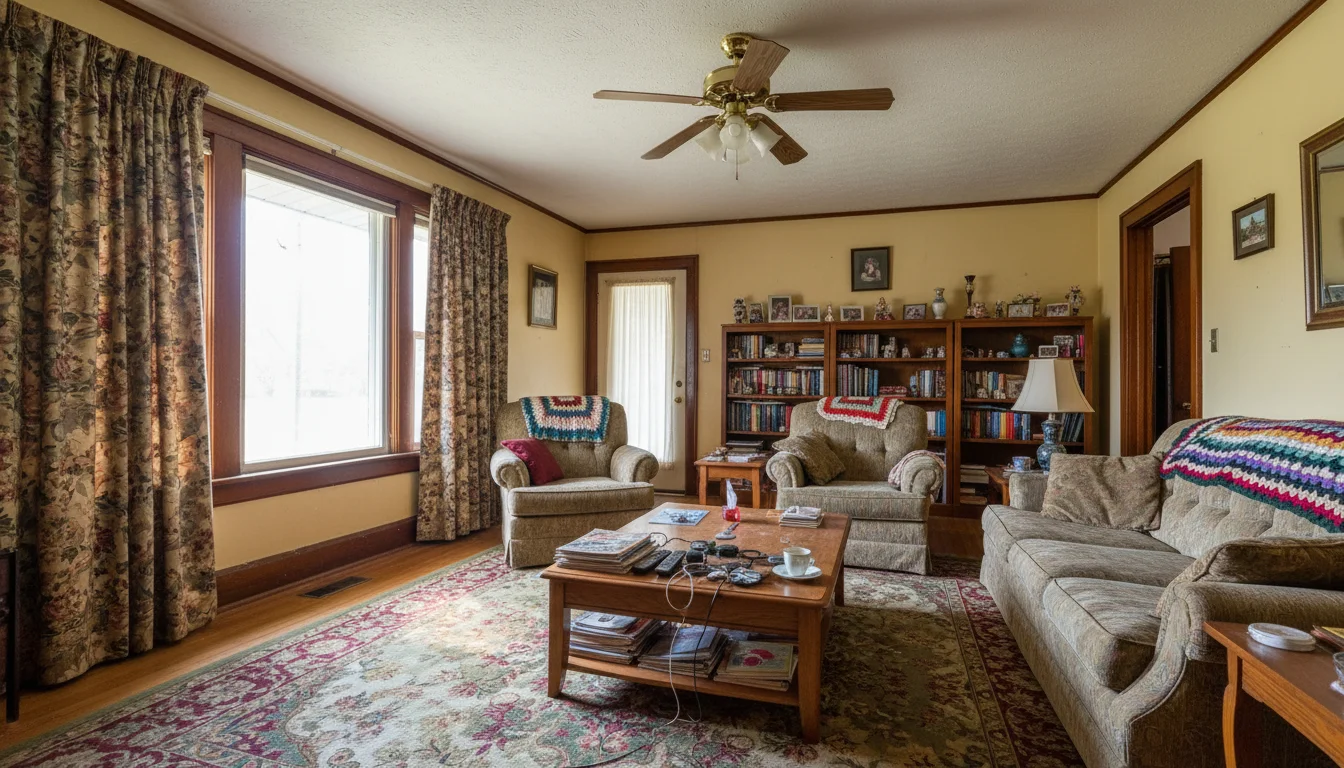
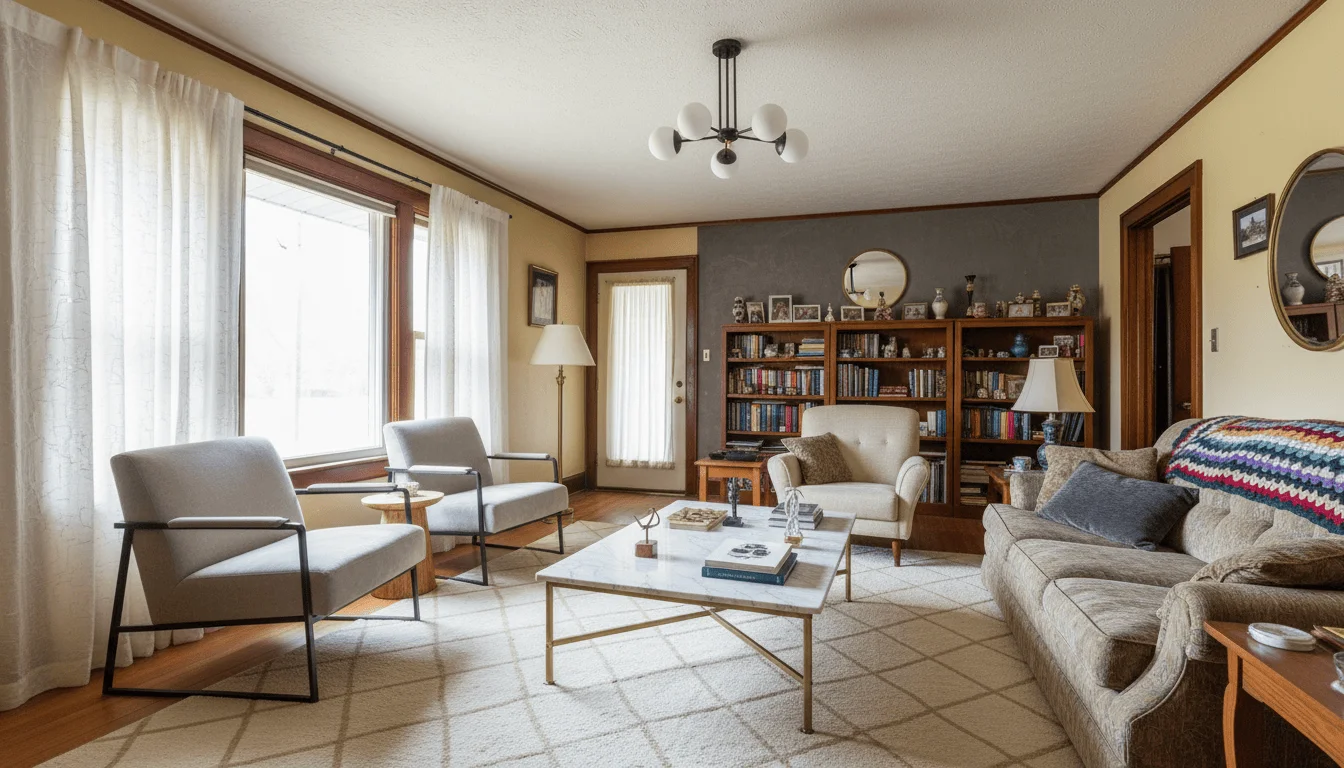
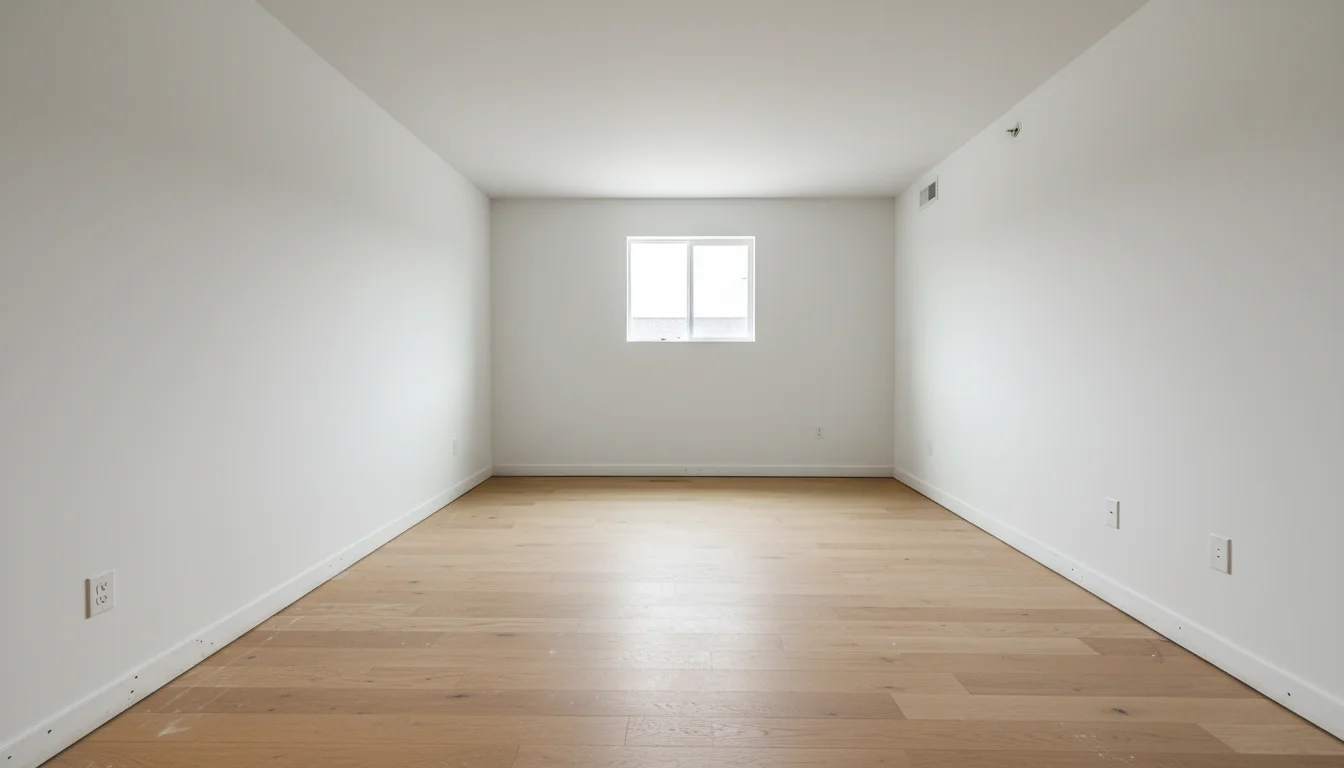
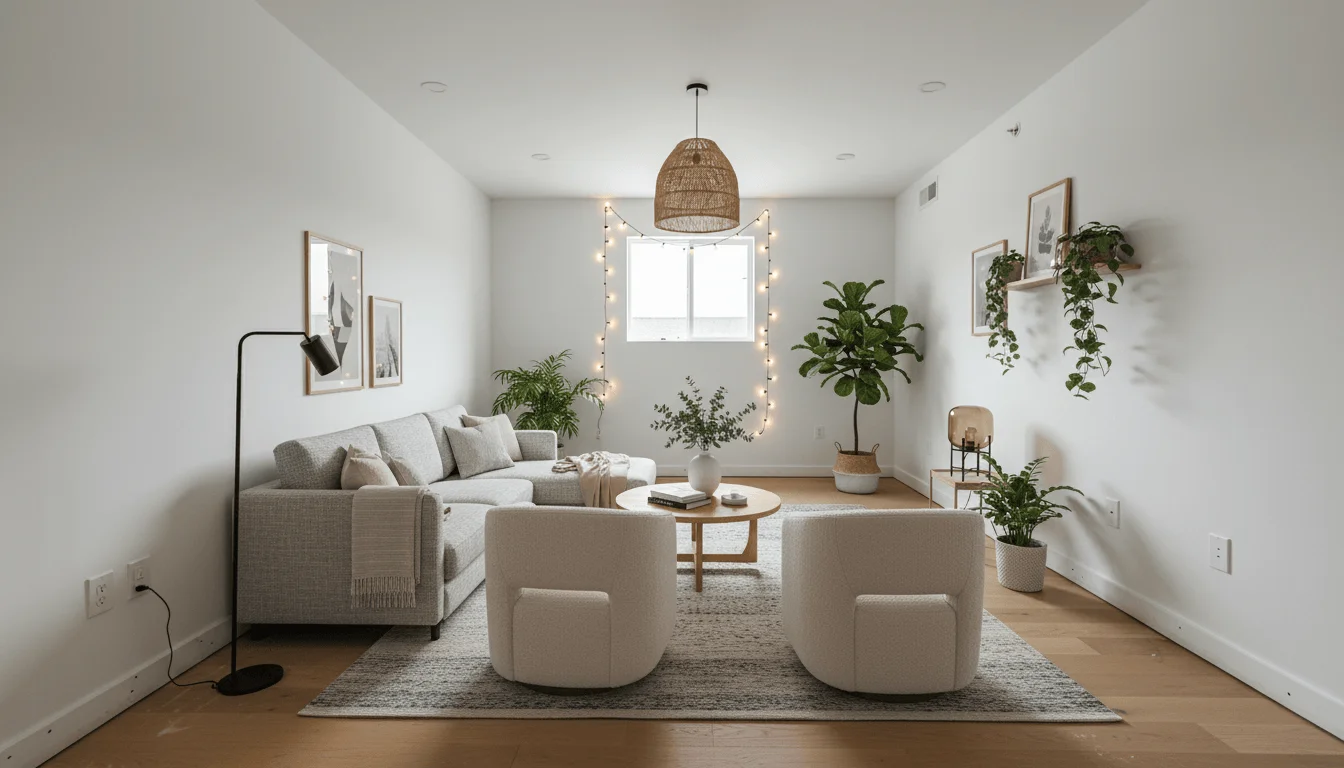
Upload a photo of a real room and restyle it across 36 photoreal looks in about 30 seconds, then use the render as a shopping brief before you spend on furniture. It handles both redesign and virtual staging, which makes it a fit for homeowners and Airbnb hosts as well as agents. It is not a CAD suite, so if you need to render straight from SketchUp or batch-stage hundreds of listings a month, a specialist tool below will serve you better.
Remodel AI
The broadest toolset, and the only real phone apps here
The most widely cited tool in this category, with eight tools spanning redesign, staging, exteriors, paint and floors, and native iOS and Android apps alongside the web product. Three free designs with no card, though free output is watermarked. Read the licence ladder before you buy: Pro at $29/mo removes the watermark and adds HD, but the commercial licence sits two tiers further up on Ultra at $99/mo, so agents and designers pay well above the headline price.
Virtual Staging AI
Best if your only job is staging empty listings
Fast, roughly ten-second staging with genuine empty-room furnishing and furniture removal, and no watermark on paid plans. Per-photo cost drops sharply at volume, which agents will like. The trade-off is scope: it is a staging tool, not a place to play with redesigning your own home, and the entry tier of a handful of photos a month is thin if you list often.
Read the full AI Room Styler vs Virtual Staging AI comparisonREimagineHome
Best all-round feature set
The broadest toolkit here: redesign, staging, exteriors, landscaping, shoppable products, and conversational editing, plus a real five-design free trial with no card. The catch is pricing transparency. Plans are credit-based and the dollar figures did not render until sign-up, and richer features like real product swaps cost extra credits, so the true monthly cost takes some math.
Collov AI
Best real-estate extras for brokerages
Aimed squarely at real estate: twilight conversions, weather and sky cleanup, 360 and 3D tours, and a commercial license included. Standard pricing sits around $20/mo billed annually. It is explicitly not built for home furnishing or homeowners, and the free tier watermarks output, so it earns its place for listing agents rather than people restyling their own space.
Spacely AI
Best for professional designers and architects
A rare free-forever tier (40 credits, watermark-free, commercial license) plus plugins for SketchUp, Revit, AutoCAD, and Rhino, so pros can render straight from CAD. Personal starts around $20/mo billed yearly with 4K output and credit carryover. Renders cost two to eight credits each, so per-image cost varies, and the whole thing is pitched at pros more than casual redesigners.
Interior AI
Versatile, but pricing is opaque
A well-known, versatile option covering redesign, staging, sketch-to-render, and even flythrough video. Its virtual-staging plan (around $390/yr) is strong value at volume. The downsides are a weakened 2026 free tier, standard pricing that is hard to pin down without signing up, and quality that reviewers have called inconsistent, so try before you commit a year.
DecorAI
Best economics if you generate constantly
Unlimited designs at $24/mo, watermark-free with commercial use included, AI video on every tier, and a 30-day money-back guarantee. At volume, unlimited beats any credit pack here and it is not close. The free offer is the part to read twice: three designs across a single day, requiring a card and converting to the paid plan unless you cancel, which is a trial rather than a free tier.
GenRoom
Pay-once packs and the longest style list
One-time packs from $9.99, no subscription, no watermark, the longest style list in this comparison, 4K upscaling, and multi-photo upload on the top tier. It markets hard on pay-once pricing and the packs are genuinely one-time. Two details matter if you are weighing it against us on that basis: its credits expire 180 days after purchase, and its pricing page lists no free tier. The entry pack is 36 credits at two credits a generation, so roughly 18 designs.
RoomGPT
Simplest way to reimagine one room
Dead-simple and homeowner-friendly, with millions of users and cheap one-off credit packs instead of a subscription. It is redesign-only, so there is no true empty-room staging, and pricing sits behind a login and leans on discount codes. Perfect when you just want to see one room in a new style without signing up for a plan.
Read the full AI Room Styler vs RoomGPT comparison Other tools you will see mentioned
- 3D design suites
- Homestyler and Planner 5D take a different approach: you build a room from scratch with floor plans and asset libraries, with AI rendering bolted on. Generous free tiers, but not photo-redesign-first and a steeper learning curve. Reach for them to design a space from nothing rather than restyle a photo of one you already have.
- Professional all-in-one
- Foyr Neo is the name you will see for end-to-end professional design: modeling, rendering, and asset management in one suite. It is built for working designers and priced accordingly, more tool than a homeowner needs for a quick restyle.
- Human-in-the-loop services
- When you want a real designer rather than just software, Decorilla and Havenly pair you with one, and BoxBrownie is a go-to for human-edited virtual staging. Slower and pricier than self-serve AI, but a person owns the final result.
- General-purpose AI
- ChatGPT, Midjourney, and Canva can generate room images too, and they are the free baseline many guides benchmark against. Flexible, but not built for interior design: no keep-my-layout redesign, no staging workflow, and inconsistent room fidelity.